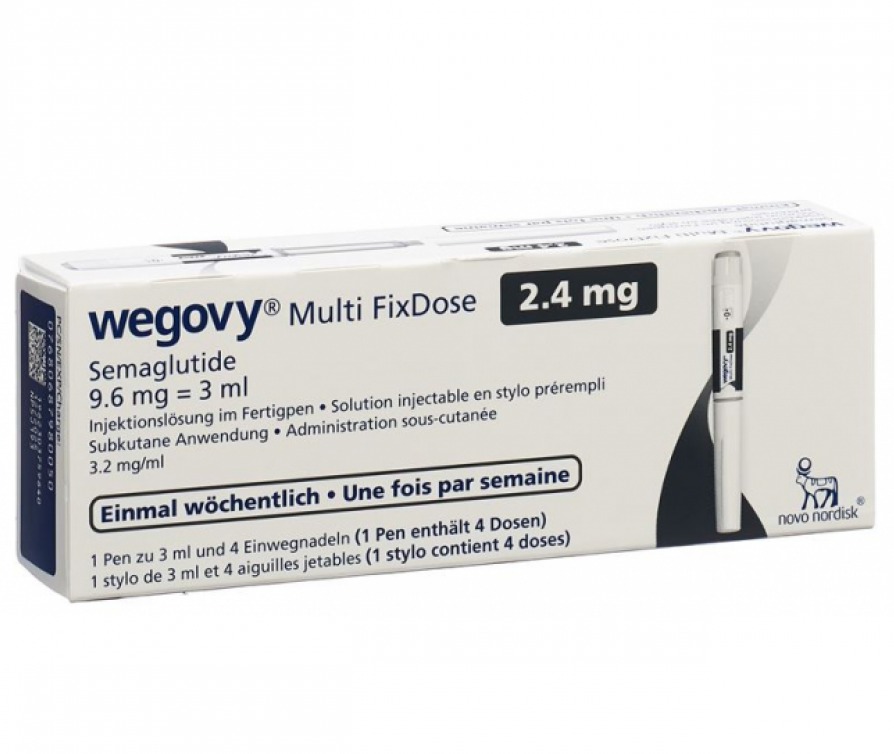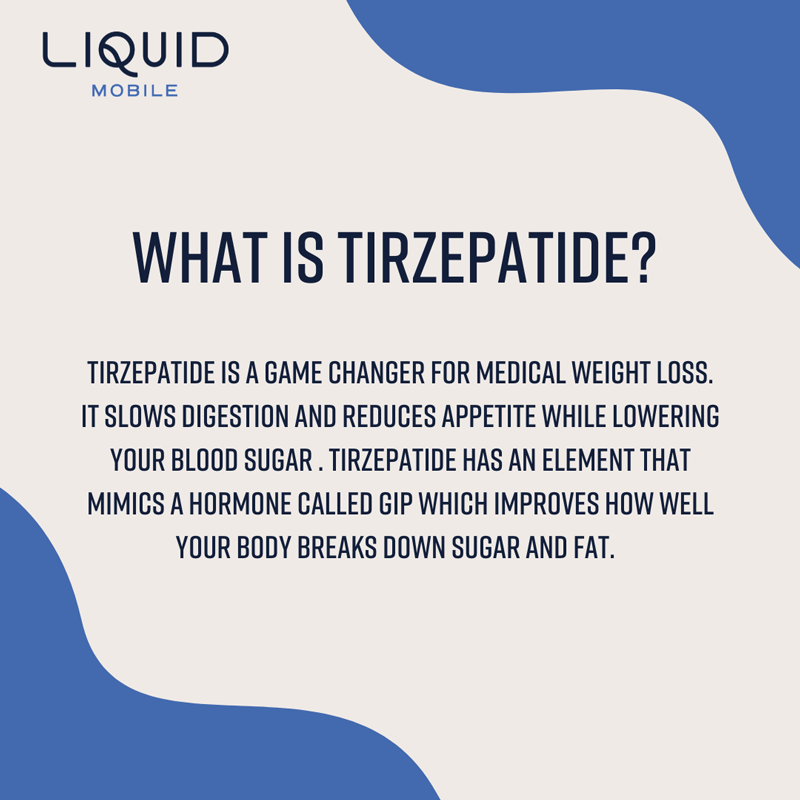

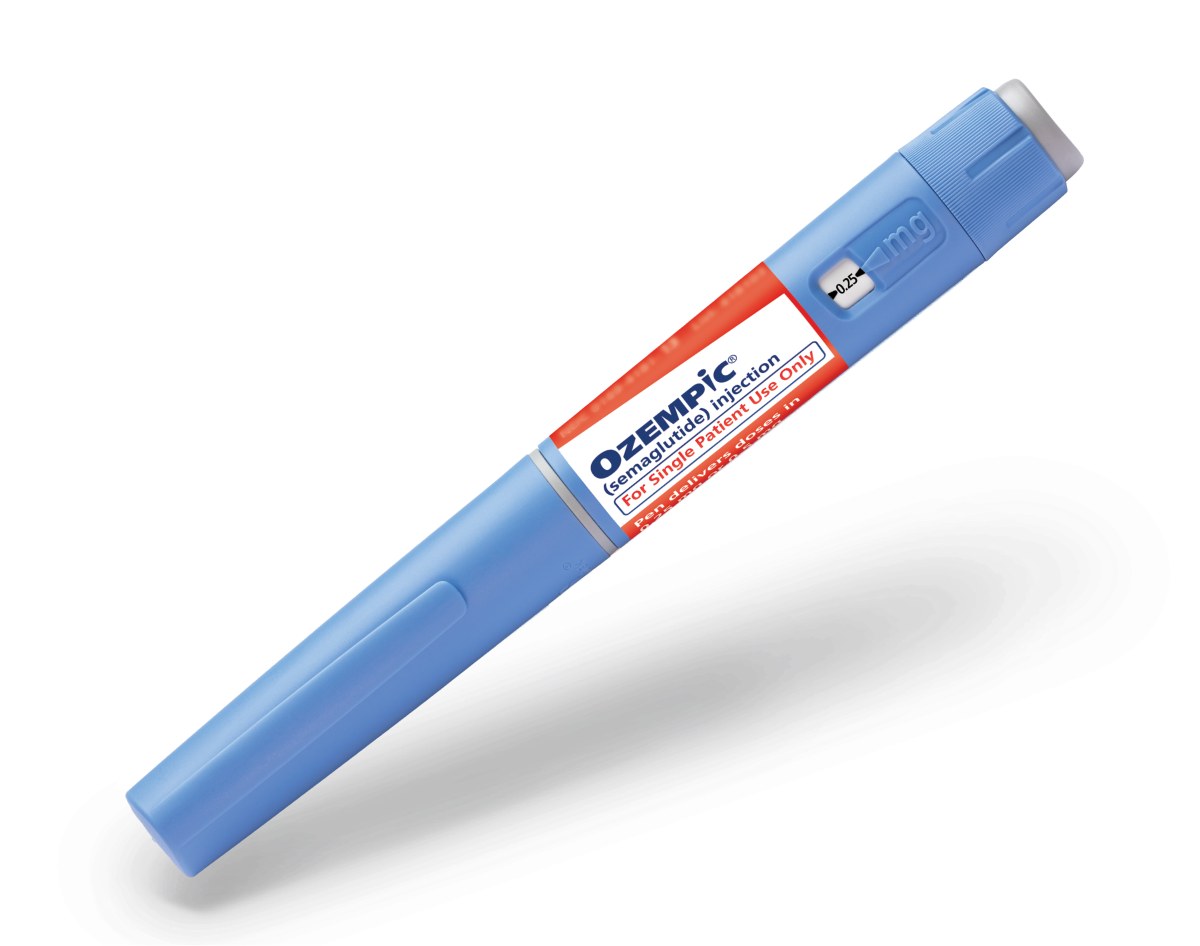
Modifications to the peptide chain to reduce degradation by DPP-4, combined with acylation to promote non-covalent binding to albumin, resulted in long-acting formulations, enabling their use in clinical practice.3,5 Initially, GLP-1 receptor monoagonists were marketed with the aim of treating type 2 diabetes, harnessing their incretin effect and glucose-dependent mechanism, along with their capacity to reduce body weight and their beneficial effects on associated comorbidities.1,3,5 Subsequently, research shifted its focus to obesity, employing higher doses than those used for diabetes.3,5 This was followed by the development of unimolecular structures with multi-receptor activity, such as GIP/GLP-1 and GLP-1/glucagon (GCG) coagonists, as well as GIP/GLP-1/GCG triagonists

Drugs targeting mitochondrial dynamics, autophagy, mtDNA repair, calcium homeostasis, and oxygen adaptation strategies play a key role in maintaining oxygen balance and offer promising therapeutic approaches for a variety of diseases
Mendoza RojasAHesselinkDAvan BesouwNMDieterichMde KuiperRBaanCCet alHigh tacrolimus intrapatient variability and subtherapeutic immunosuppression are associated with adverse kidney transplant outcomes
Environmental and genetic factors can also contribute to diminished ovarian reserve
This high concentration makes the food supplement an ideal solution for those who want to promote their physical and mental fitness , by improving their energy and resistance during physical activity and promoting better brain function