Advanced treatment protocols often incorporate specialized therapies including VITAMIN D INJECTIONS , glutathione injections , and lipotropic/SLIM SHOT formulations that support liver detoxification and metabolic optimization
The 0.9% concentration is well within the threshold of clinical standards for preservative use in injectable solutions without adverse effects on cell viability or peptide efficacy.[12] Microbial efficacy testing demonstrates no contamination after 30 withdrawals at 4C for up to 60 days.[13][14] 2.2 Stability in Peptide Solutions Research shows that Reconstitution Solution preserves the integrity of peptides such as BPC-157, TB-500, and CJC-1295 over multiple cycles of use

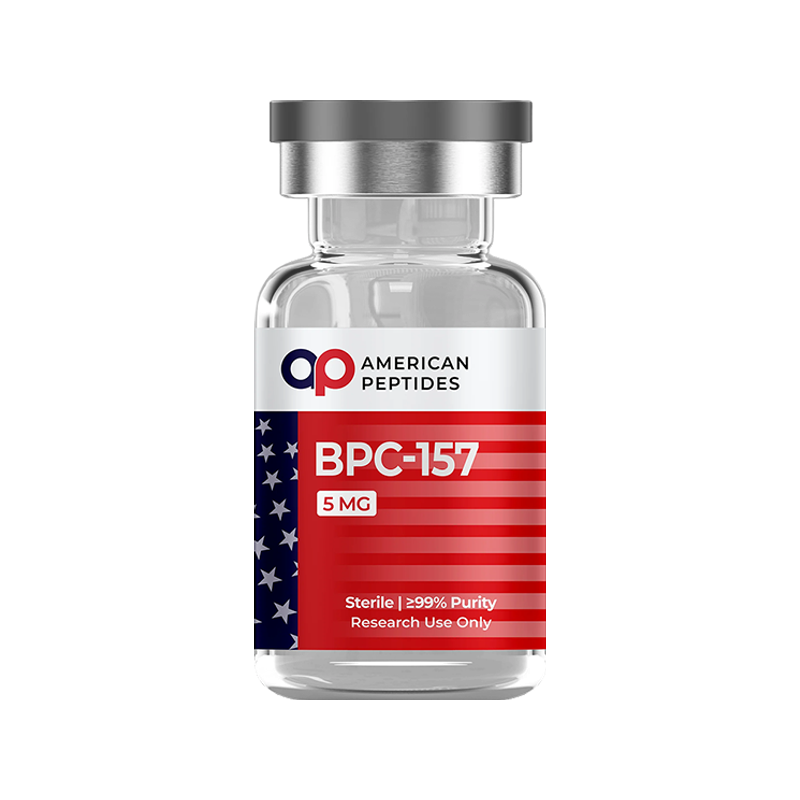
What the Research Does NOT Yet Support - There are currently no published randomised controlled trials (RCTs) in humans for BPC-157 - Human pharmacokinetic data (how it is absorbed, distributed, metabolised, and excreted) is limited - Optimal dosing, route of administration, and treatment duration have not been established clinically - Long-term safety data in humans is absent - Regulatory approval from the TGA, FDA, or EMA has not been granted for any therapeutic indication TB-500: Evidence Overview What the Research Supports TB-500 / Thymosin Beta-4 has somewhat more human-facing research, though still predominantly preclinical: Phase I and II clinical trials have investigated Thymosin Beta-4 (the native peptide) in cardiac repair following myocardial infarction, with promising safety profiles Wound healing applications have been explored in clinical settings, particularly for chronic non-healing wounds and dry eye disease Robust animal evidence supports its role in reducing inflammation, supporting angiogenesis, and promoting tissue regeneration The native peptide (T4) has demonstrated cardioprotective effects in animal models of heart failure and ischaemia What the Research Does NOT Yet Support TB-500 is a synthetic fragment of T4 it is not identical to the native peptide, and extrapolating human clinical data from T4 studies directly to TB-500 may not be valid No approved therapeutic indications exist for TB-500 specifically Comparative efficacy versus established treatments has not been studied The long-term effects of exogenous peptide administration on endogenous thymosin beta-4 regulation are unknown Potential Benefits: A Summary Based on the available (predominantly preclinical) literature, the following potential benefits have been identified: Risks & Safety Considerations Known & Reported Side Effects Because large-scale human trials are lacking, our understanding of the side effect profile is limited

Inject the full 5 mg in a single session
A study in rats found that BPC 157 counteracted the effects of an induced myocardial injury and significantly decreased oxidative stress